


No More Boring Bread: How to Add Inclusions to Your Sourdough
You nailed the classic loaf. Now comes the fun part: making bread that tastes like you meant it.
Inclusions are anything you add to the dough that does not “disappear” into it. Think olives, cheese, seeds, dried fruit, chocolate. The only thing that gets tricky is timing and amount, because add-ins can mess with gluten, hydration, and fermentation if you go too heavy.

The easiest way to not mess it up
DStart with a simple rule: measure inclusions as a percentage of your flour weight. A safe starting point for chunky add-ins is about 20% of flour weight, then adjust once you see how your dough behaves.
If your inclusion is “thirsty” (seeds, grains, some dried fruit), soak it first so it does not steal water from your dough.

Types of inclusions (and what to watch for)
Herbs and spices are the easiest. They spread evenly and usually do not change the dough much.
Cheese is best in small cubes if you want real pockets, not melted streaks.
Nuts and seeds add crunch and flavor, but they do better soaked or toasted (or both) so they do not dry the dough out.
Dried fruit is delicious, but it is heavy and it can pull moisture from the dough. Give it a quick soak, then pat it dry before adding.
Olives and marinated vegetables bring flavor, but they also bring liquid. Drain them well and pat dry so you do not end up with gummy pockets.
Chocolate is simple. Add it later if your dough is warm, so it stays in pieces instead of melting into the dough.
When to add inclusions
During mixing works best for fine things you want everywhere: herbs, spices, cocoa.
During stretch and folds is the go-to for most chunky add-ins once the dough has a little strength. It distributes well without beating the dough up.
During shaping is best when you are going heavy, or when the add-ins are delicate and you want more control.
For an outer crust, spread seeds on parchment and roll the shaped loaf before it goes into the banneton.

One Krustic-specific tip:
High heat makes a seed crust taste unreal. If you roll the loaf in seeds before baking, they toast into that crispy, nutty finish people fight over.


The Freeform Dutch Oven • Cast Iron • Round
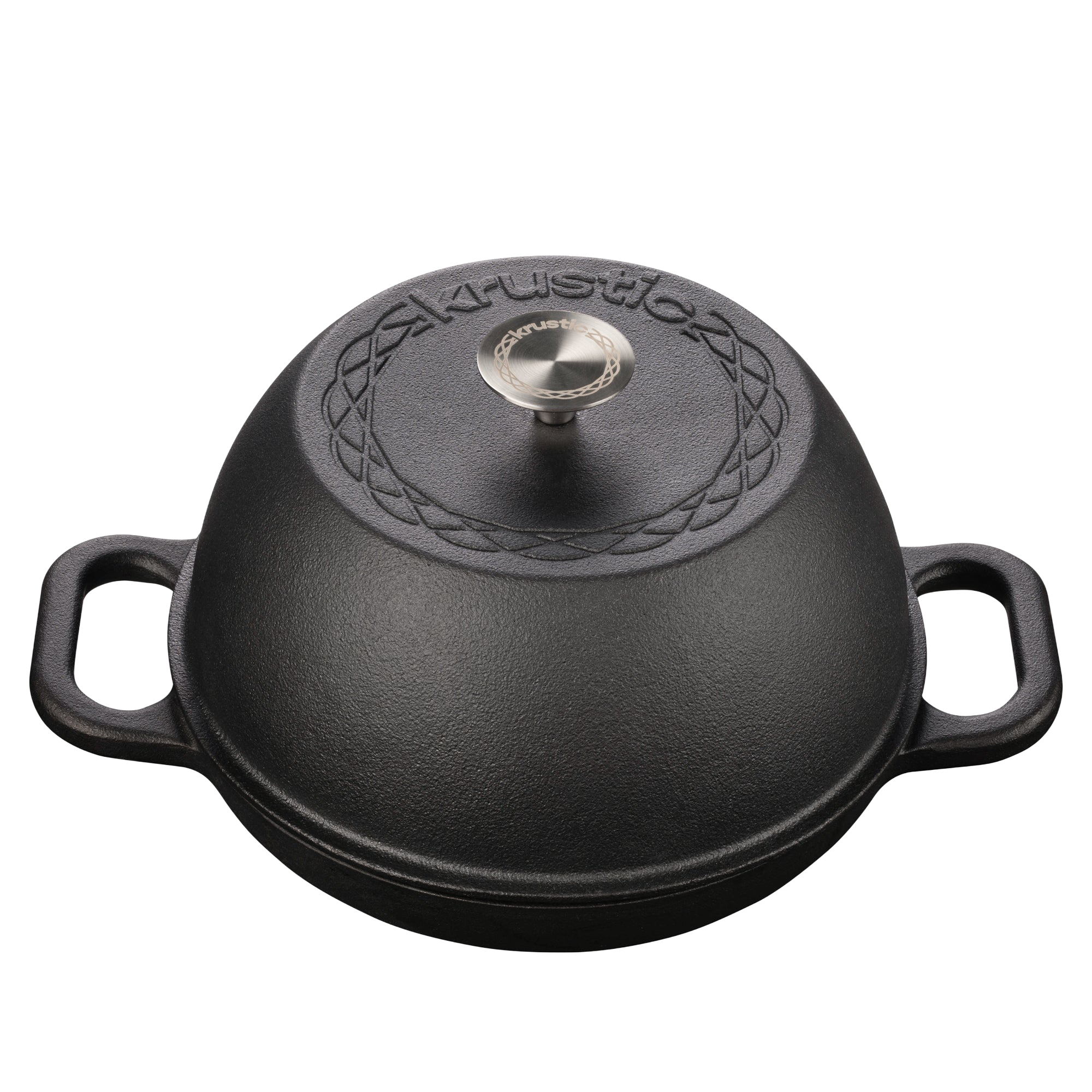
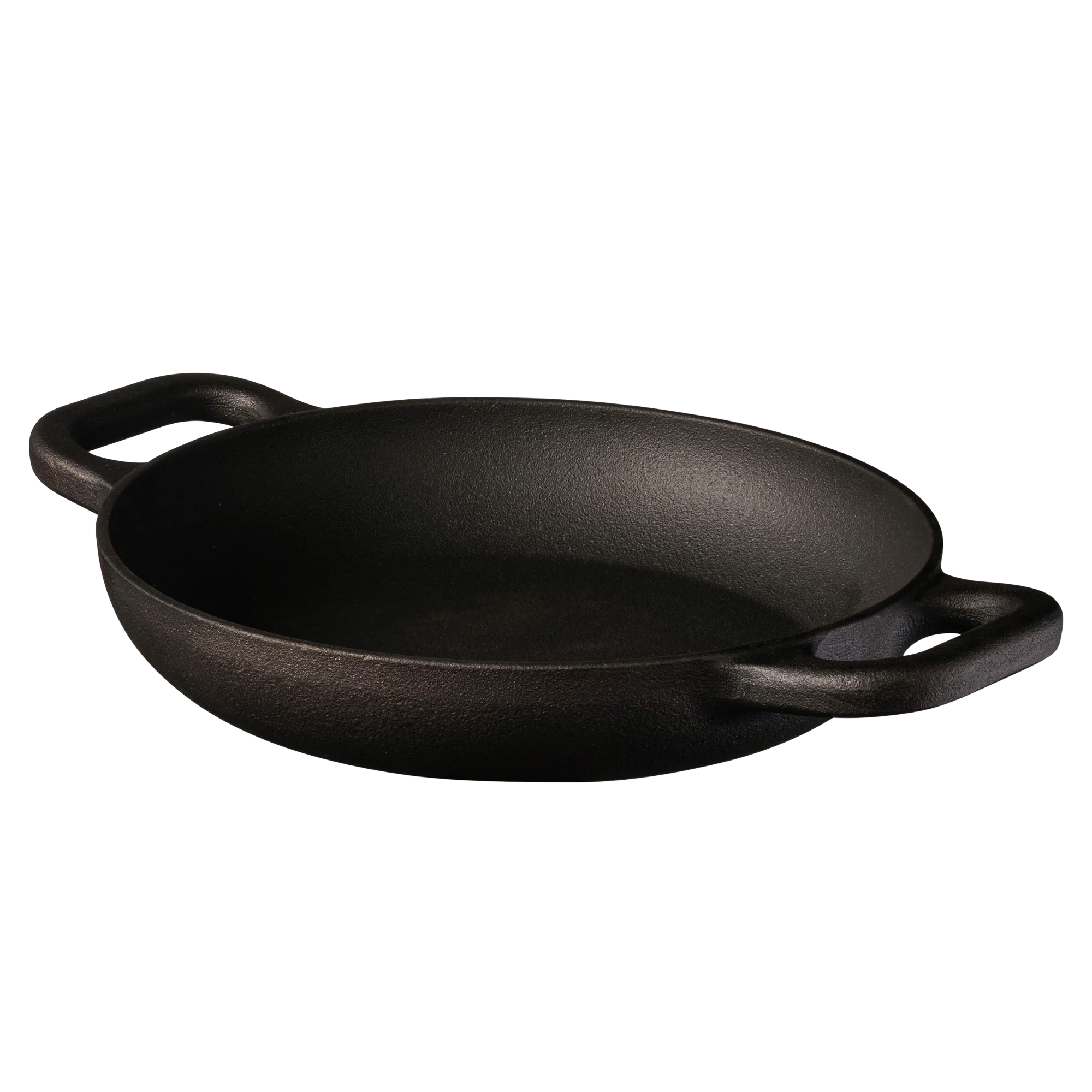
The Freeform Dutch Oven
- Cast Iron
- Round
- 6-Quart
- Regular price
- $149.99
- Sale price
- $149.99
- Regular price
-
The Freeform Dutch Oven • Cast Iron • Oval
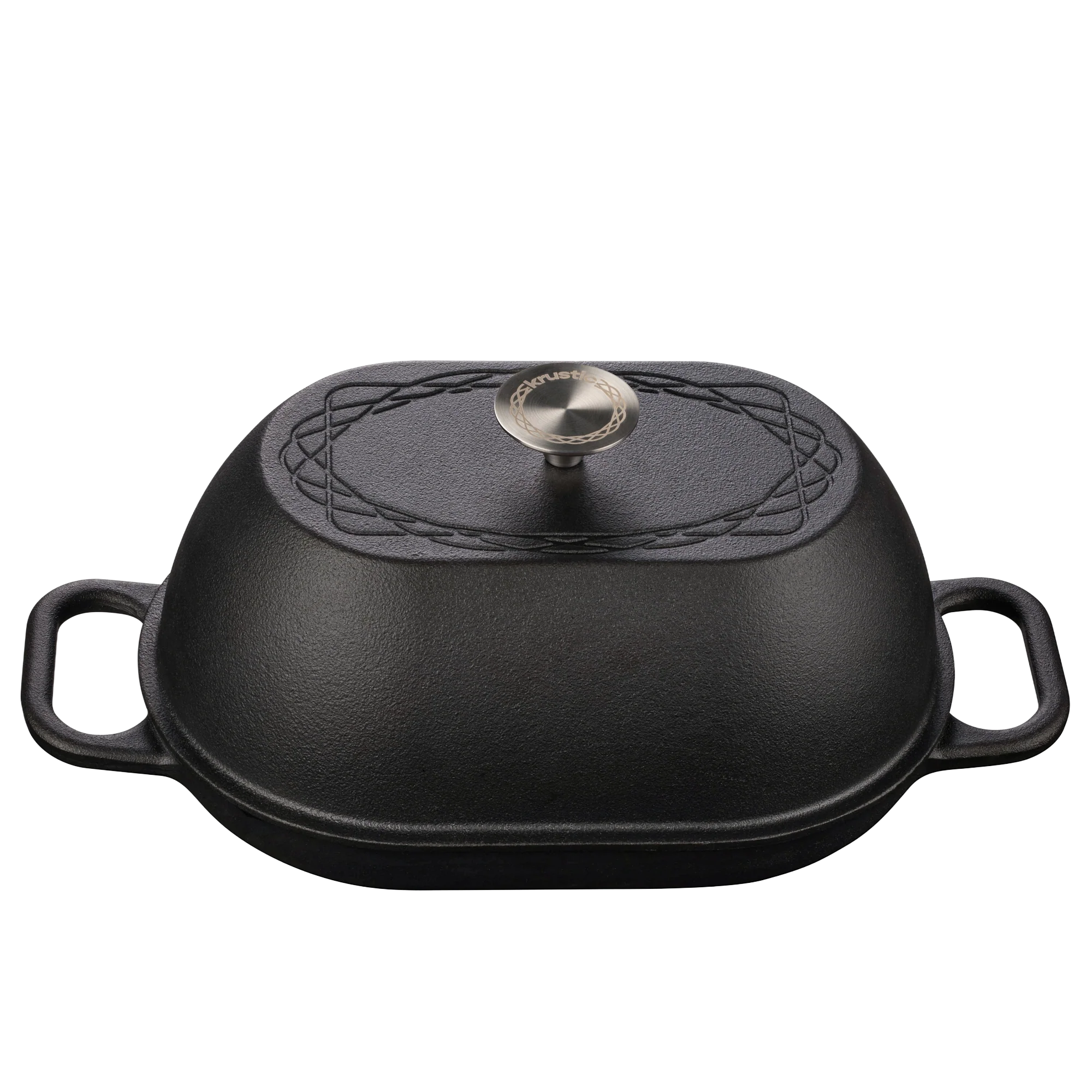
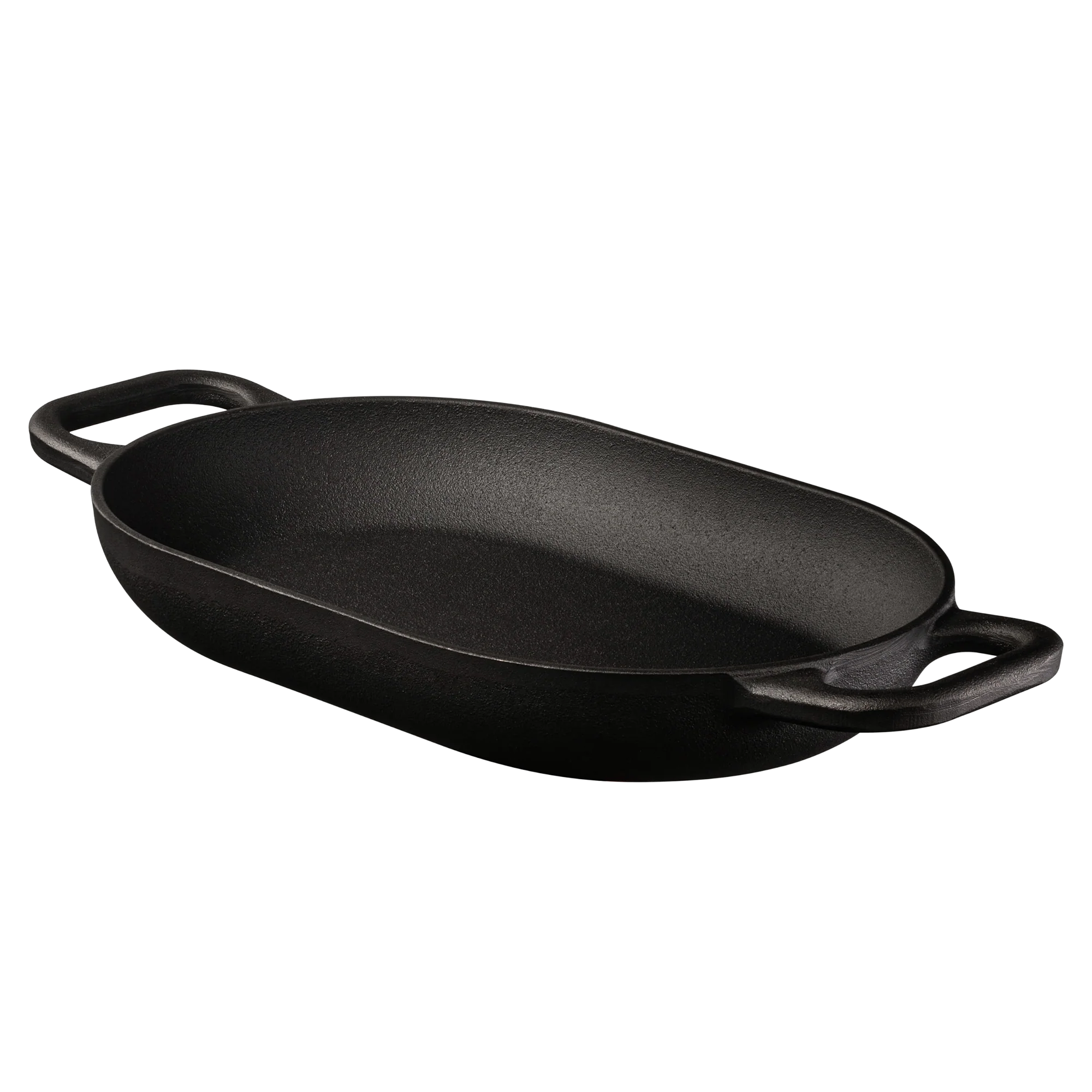
The Freeform Dutch Oven
- Cast Iron
- Oval
- 5.5-Quart
- Regular price
- $159.98
- Sale price
- $159.98
- Regular price
-
The Wood Pulp Banneton • Round


The Wood Pulp Banneton
- Round Wood Pulp
- 1kg
- Regular price
- $44.99
- Sale price
- $44.99
- Regular price
-
$49.99
The Wood Pulp Banneton • Oval


The Wood Pulp Banneton
- Oval Wood Pulp
- 0.75kg
- Regular price
- $44.99
- Sale price
- $44.99
- Regular price
-
$49.99
The Dual-Flour Starter • Dehydrated Chips • 10 Grams


The Dual-Flour Starter
- Dehydrated Chips
- 10 Grams
- Regular price
- $19.99
- Sale price
- $19.99
- Regular price
-
$24.99