


The Perfect Sourdough Loaf: The Role of Oven Temperature
Oven temperature is the invisible ingredient in sourdough. It decides how big your loaf springs, how crisp your crust gets, and whether you land that deep golden color or a pale, soft finish.
The hard part is that home ovens are not commercial deck ovens. They lose heat fast, cycle up and down, and vent steam the second you open the door. That’s why a preheated cast iron bread oven can feel like a cheat code. It turns your oven into a smaller, steadier baking chamber.
Why temperature matters (more than you think)

Crust and color
That rich, bakery-brown crust is mostly about two things: enough heat, and a dry enough surface for browning to kick in. When the oven runs cool or you skip a proper preheat, the loaf often bakes through before the crust has time to really develop.

Oven spring
Your loaf expands most in the first minutes of the bake. Strong oven spring needs a hot environment so the dough can lift before the crust sets.

Steam
Steam keeps the outside of the dough flexible early on, so it can expand instead of sealing shut too soon. Once the loaf is set, dry heat is what deepens color and crispness.
Why a cast iron bread oven helps
Cast iron holds heat. So when you load cold dough into a blazing-hot pot, the temperature inside recovers faster and stays steadier. The lid also traps steam from the dough itself, giving you that “steamy oven” effect without special equipment.
A simple temperature plan that works
1) Preheat longer than you want to
Preheat your oven with the bread oven and lid inside for 45 minutes (up to 60 if your oven runs weak). This is how you build real heat in the metal, not just hot air in the oven.
2) Start hot, then finish for color
Most sourdough bakes start covered, then finish uncovered. Covered is for spring and structure. Uncovered is for browning.
3) If your ears burn, don’t blame your starter
If the tips of your scoring darken too fast, lower your oven temp for the uncovered phase. A small drop is often all it takes to keep the ear golden instead of bitter.
4) Use an oven thermometer if your oven lies
A lot of ovens drift. A simple thermometer tells you what’s really happening so you can adjust once and stop guessing forever.


The Freeform Dutch Oven • Cast Iron • Round
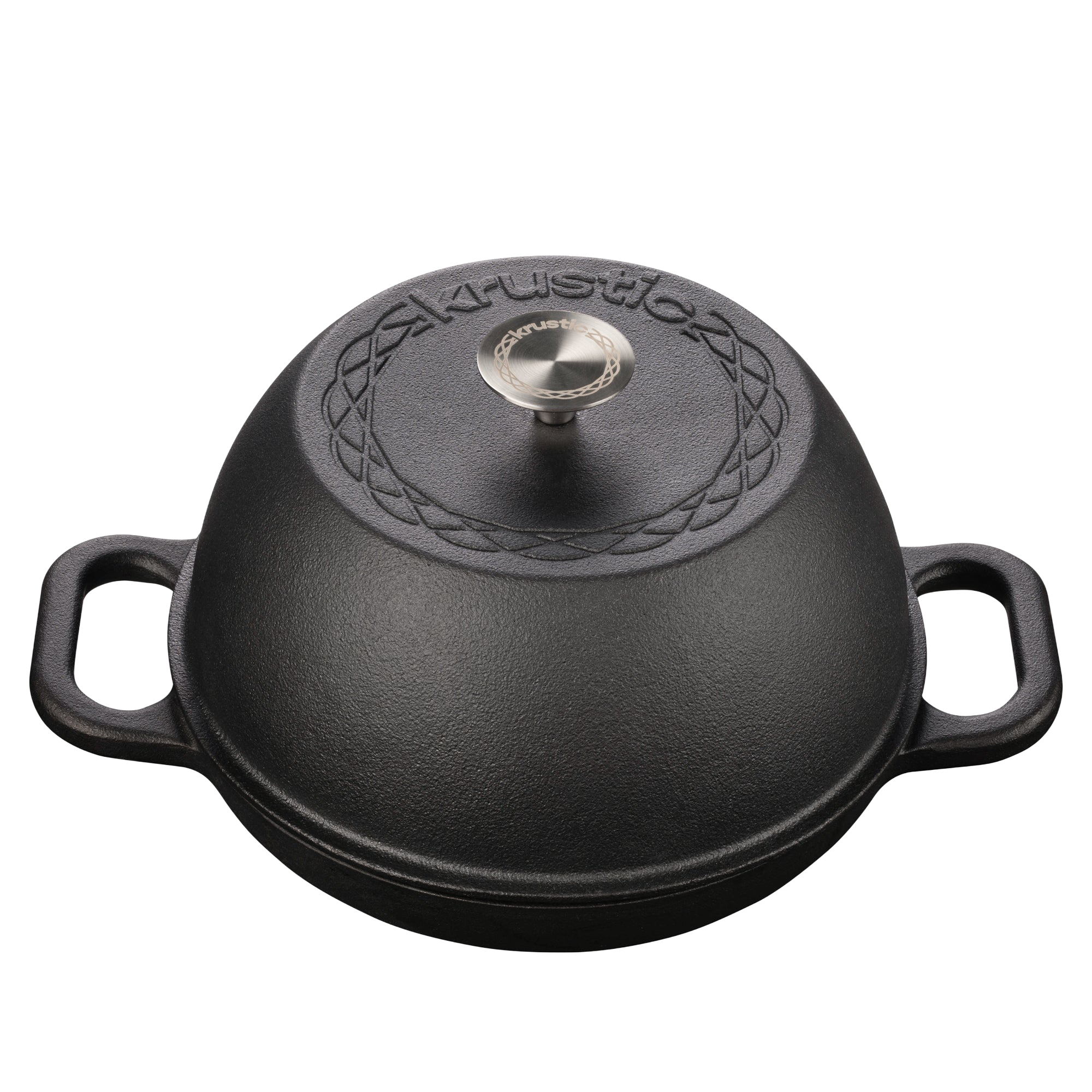
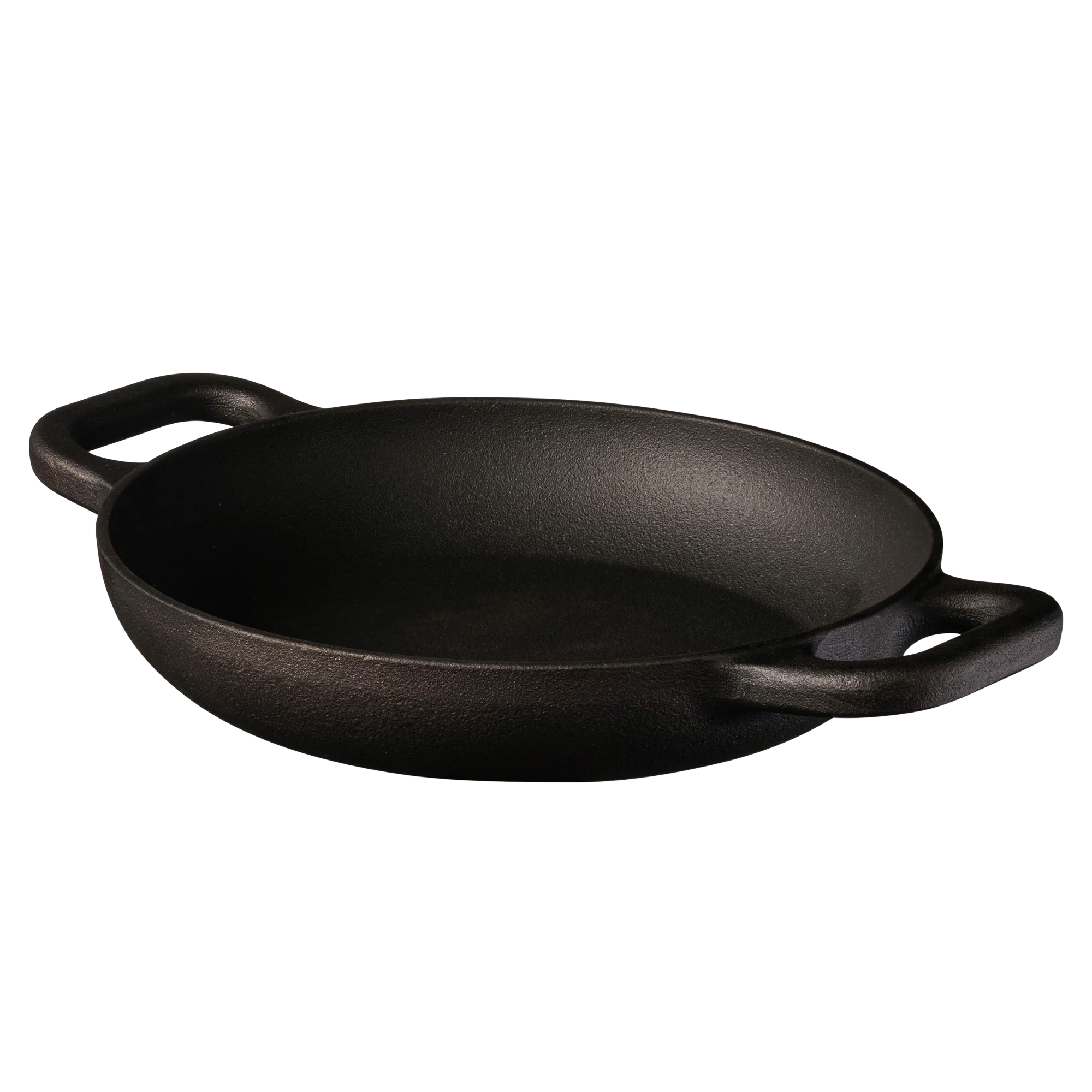
The Freeform Dutch Oven
- Cast Iron
- Round
- 6-Quart
- Regular price
- $149.99
- Sale price
- $149.99
- Regular price
-
The Freeform Dutch Oven • Cast Iron • Oval
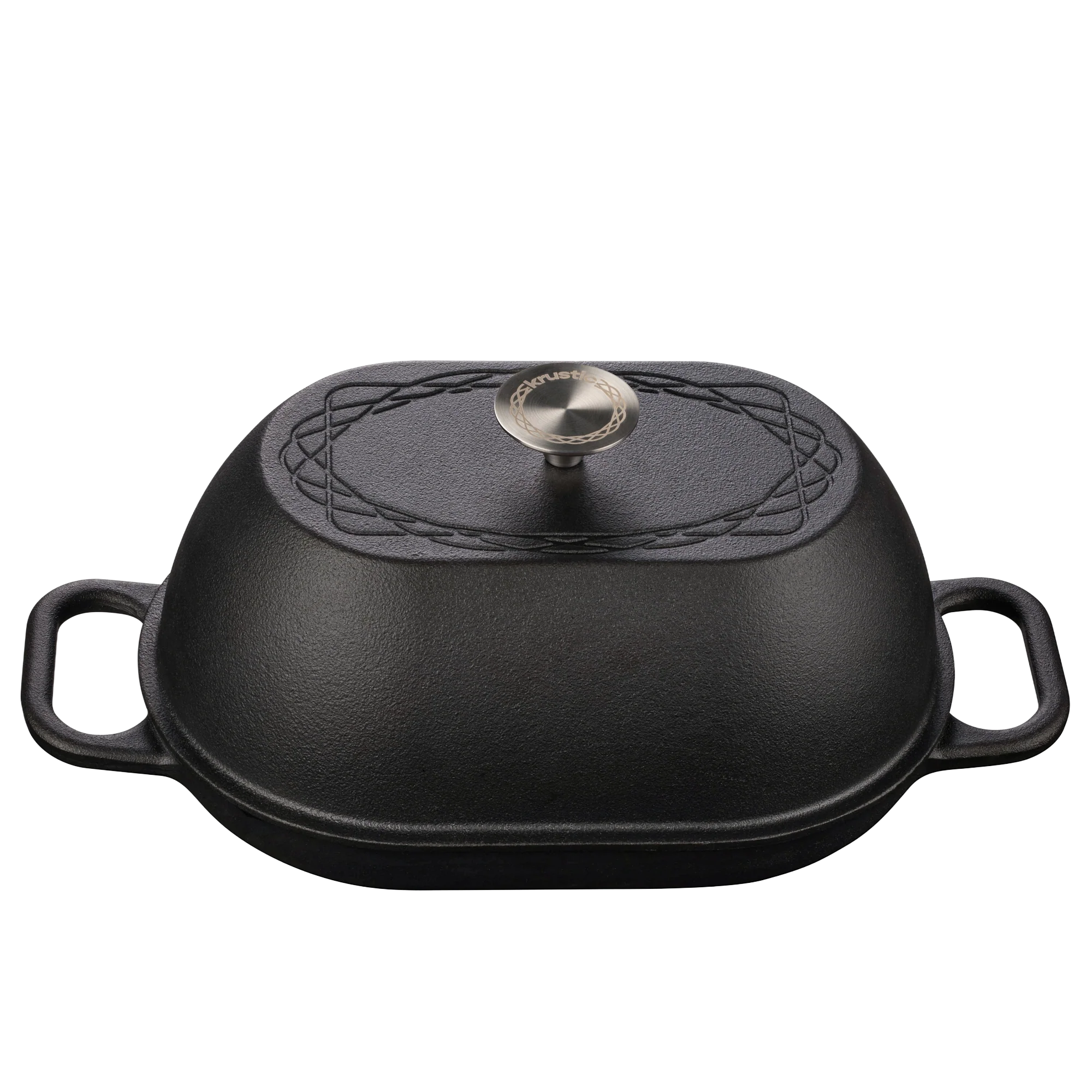
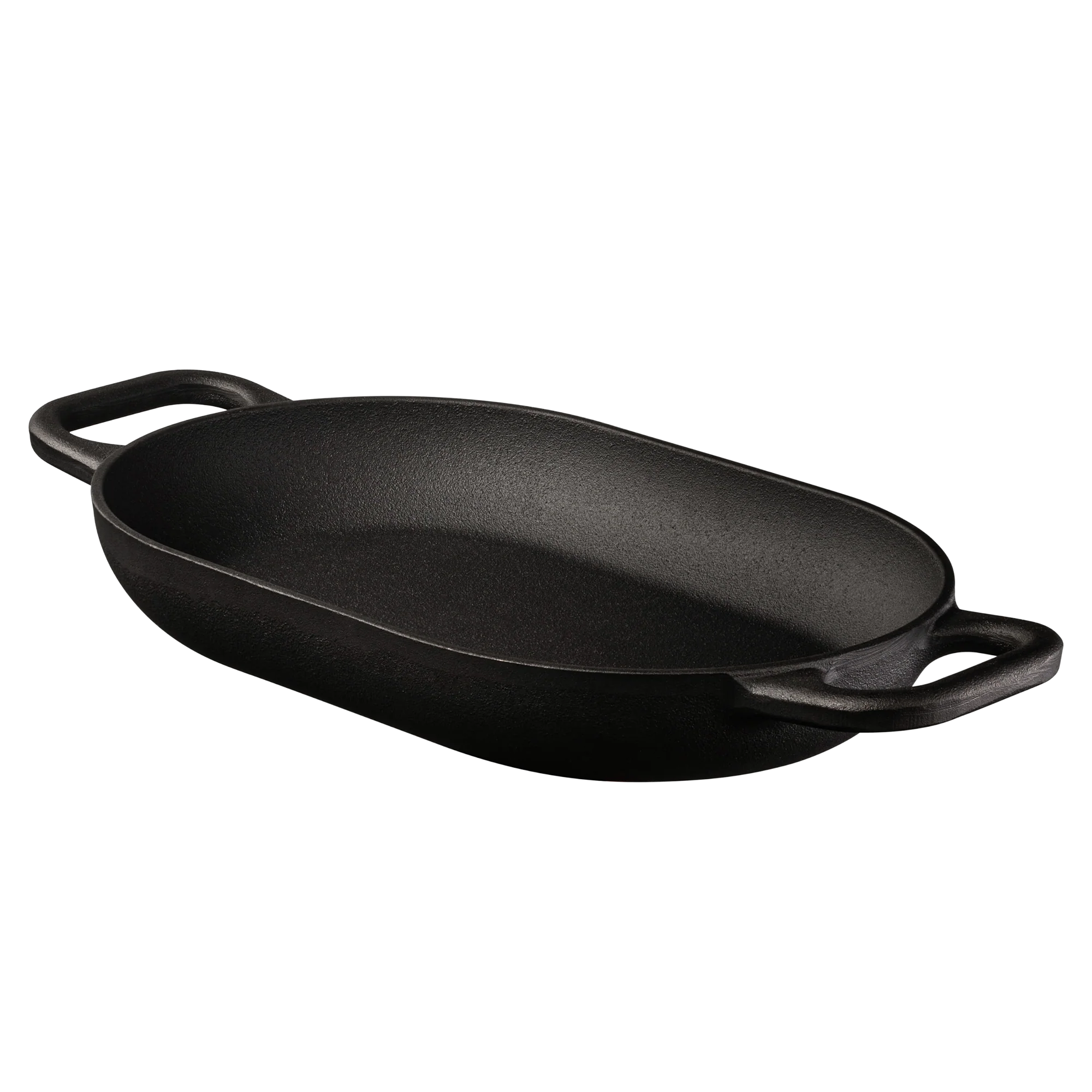
The Freeform Dutch Oven
- Cast Iron
- Oval
- 5.5-Quart
- Regular price
- $159.98
- Sale price
- $159.98
- Regular price
-
The Wood Pulp Banneton • Round


The Wood Pulp Banneton
- Round Wood Pulp
- 1kg
- Regular price
- $44.99
- Sale price
- $44.99
- Regular price
-
$49.99
The Wood Pulp Banneton • Oval


The Wood Pulp Banneton
- Oval Wood Pulp
- 0.75kg
- Regular price
- $44.99
- Sale price
- $44.99
- Regular price
-
$49.99
The Dual-Flour Starter • Dehydrated Chips • 10 Grams


The Dual-Flour Starter
- Dehydrated Chips
- 10 Grams
- Regular price
- $19.99
- Sale price
- $19.99
- Regular price
-
$24.99