


Best Shaping Methods for Sourdough (Boules, Batards, and the Moves That Actually Work)
Shaping is the moment your dough stops being a bowl of bubbles and becomes an actual loaf. It’s not about making it “pretty.” It’s about giving the dough enough surface tension to rise up, not out, without popping the air you worked all day to build.
One quick truth before we start: shaping can’t rescue under‑fermented dough, and it can’t fix dough that’s gone too far. If your loaf keeps spreading no matter what you do, the issue is usually fermentation timing, dough strength, or hydration, not your hands.
The 3 rules that make shaping easier
1) Bench rest is not optional. After pre‑shape, give the dough time to relax so final shaping doesn’t tear or fight you.
2) Tension is the goal, but not at the cost of ripping. You want the outer “skin” taut, not shredded.
3) Use just enough flour. Too much flour makes the dough slide and you lose tension. Too little and you stick everywhere. A light dust (or a bench scraper) is your friend.
Boules (Round Loaves)
Boules are the easiest place to start. The shape is forgiving, it rises evenly, and it teaches you the core skill: building tension on a round.
When to choose a boule: classic country loaves, round bannetons, and any time you want the simplest path to a great bake.
How to shape a boule
Step 1: Pre‑shape into a loose round. Keep it gentle. This is just organizing the dough, not finishing it.
Step 2: Bench rest 15–30 minutes, covered. The dough should relax, not spread into a puddle.
Step 3: Final shape with an “envelope fold,” then flip seam‑side down.
Step 4: Build tension by cupping the dough and gently dragging it toward you on a mostly unfloured surface. Rotate and repeat until the top looks smooth and taut.
Step 5: Place seam‑side up in a well‑floured round banneton for final proof.
Boule scoring (simple and effective)
A boule can handle almost any scoring pattern. If you want the easiest win, do one confident slash. If you want the classic look, try a cross or a wheat‑stalk pattern once your shaping is consistent.
Batards (Oval Loaves)
Batards are the “everyday slice” loaf: long enough for sandwiches, dramatic when scored, and great for showing inclusions in layers.
When to choose a batard: oval bannetons, sandwich‑friendly slices, and loaves where you want that long ear and controlled opening.
How to shape a batard
Step 1: Pre‑shape into a loose round or short oval.
Step 2: Bench rest 15–30 minutes, covered.
Step 3: Flip the dough so the smooth side is down. Gently stretch into a rectangle. Do not deflate it like a pancake.
Step 4: Fold like a letter (top down, bottom up), then fold the sides toward the center.
Step 5: Roll the dough into a log, keeping it snug without tearing. Seal the seam with your fingertips and pinch the ends closed.
Step 6: If the dough is very slack, give it 10–15 minutes to relax, then “stitch” the seam closed with small overlapping folds to add extra tension.
Step 7: Place seam‑side up in an oval banneton for final proof.
Batard scoring (the classic ear)
Keep it simple: one long score slightly off center. That single expansion line is what gives batards their signature ear and controlled spring.
Other shaping moves (when life is busy)
Clasp fold (a fast batard): Fold the dough like closing a book, rotate 90°, repeat, then place seam‑side up in an oval banneton. This is great when you’re making multiple loaves or working with inclusions you don’t want tearing through the surface.
Seed crust: Roll your shaped loaf over a tray of seeds (sesame, sunflower, poppy) before it goes into the banneton. It adds crunch, looks beautiful, and makes the whole loaf feel more “finished.”
Bench scraper save: If the dough is sticking, don’t panic. Use a bench scraper to tighten the round or move the loaf without degassing it.
Quick troubleshooting
Loaf spreads wide: usually not enough tension, too much bench flour, or dough that’s over‑proofed.
Dough tears during shaping: usually not enough bench rest, or dough that’s under‑developed (needs more strength).
Seam keeps opening: you didn’t seal, or the surface was too floury to stick to itself. Brush off flour and pinch again.
The Krustic takeaway
Great shaping is quiet. A few intentional folds, a little tension, and then you stop touching it. Start with boules. Graduate to batards. And remember: the goal is not perfection. It is repeatable control.
Shop Bannetons →


The Freeform Dutch Oven • Cast Iron • Round
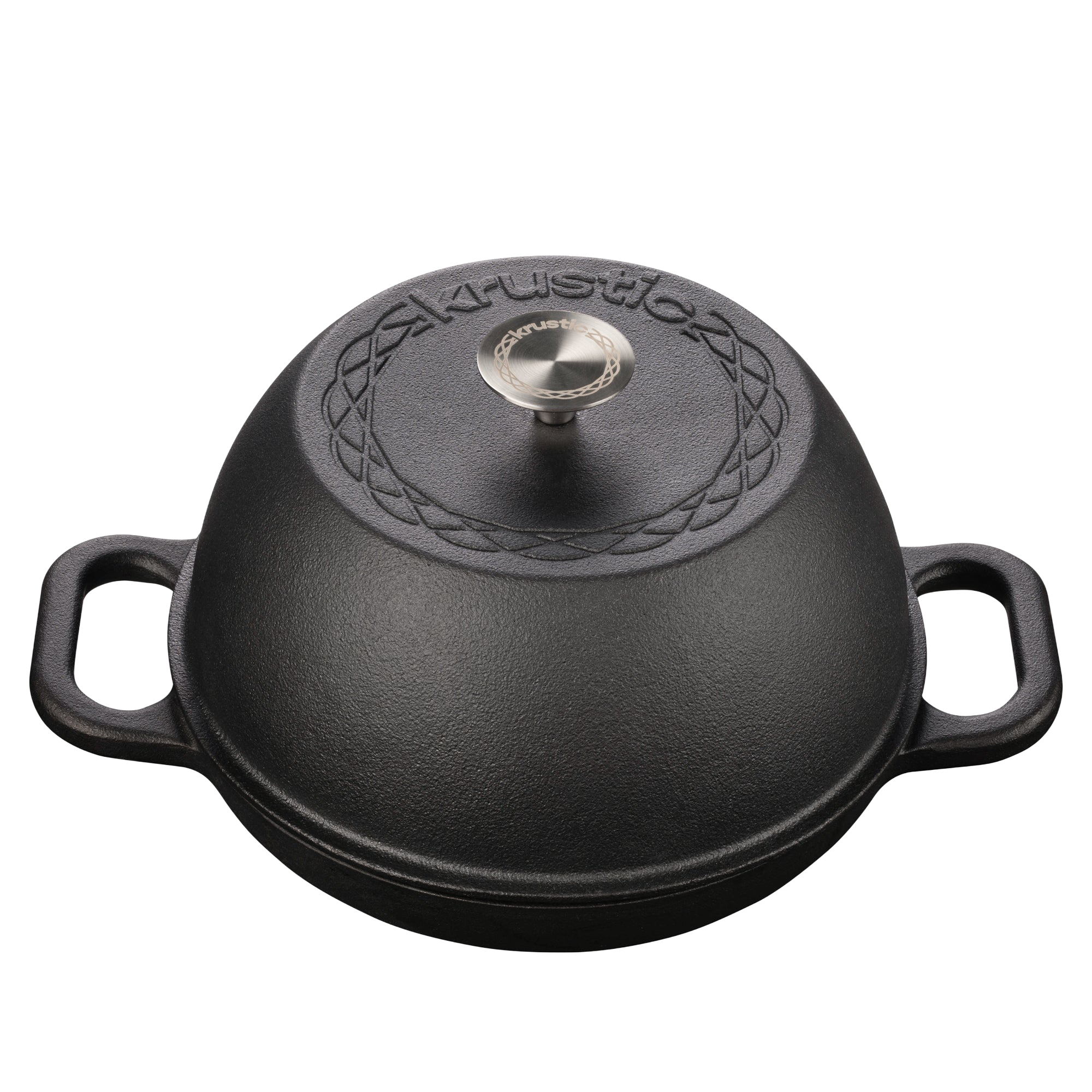
The Freeform Dutch Oven
- Cast Iron
- Round
- 6-Quart
- Regular price
- $149.99
- Sale price
- $149.99
- Regular price
-
The Freeform Dutch Oven • Cast Iron • Oval
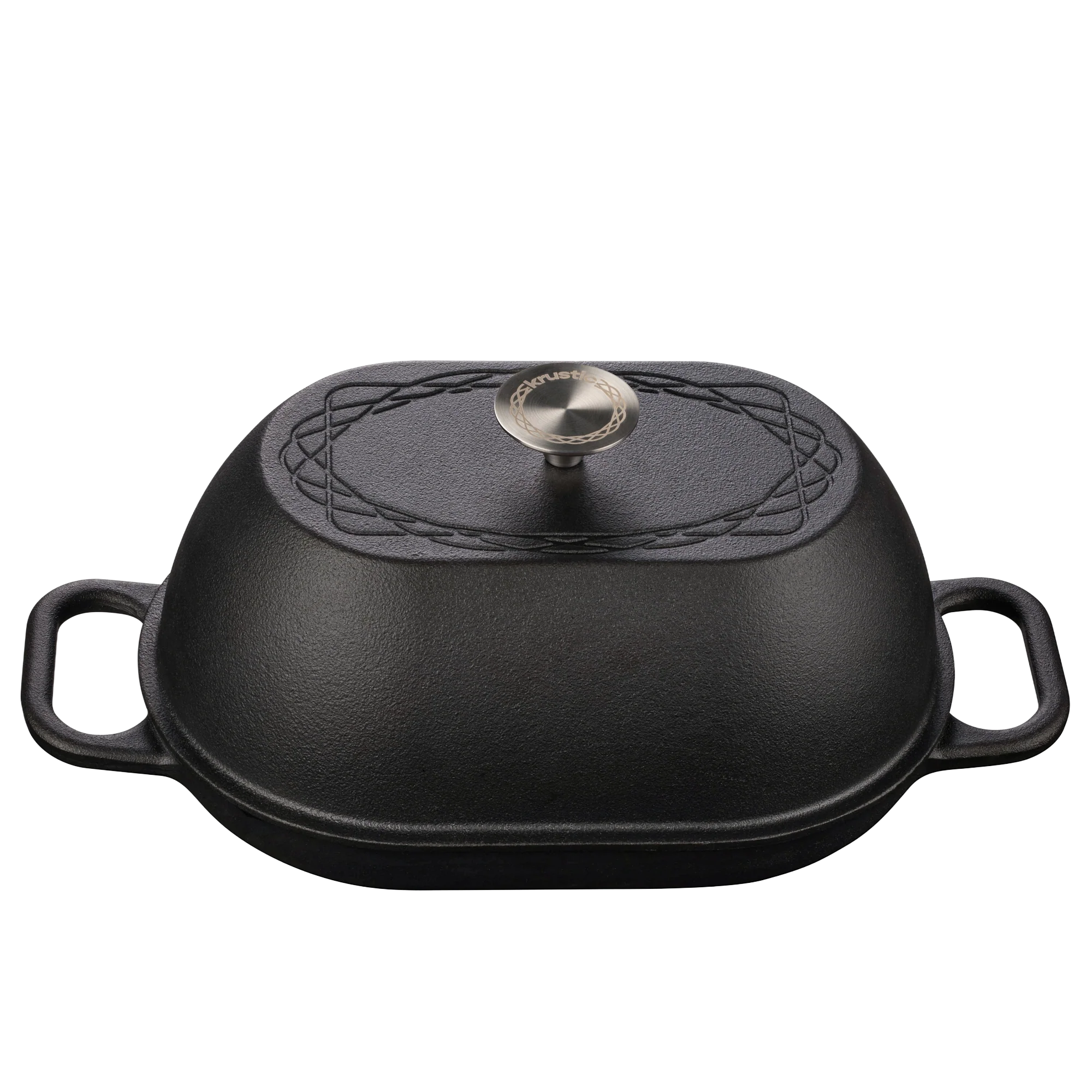
The Freeform Dutch Oven
- Cast Iron
- Oval
- 5.5-Quart
- Regular price
- $159.98
- Sale price
- $159.98
- Regular price
-
The Wood Pulp Banneton • Round


The Wood Pulp Banneton
- Round Wood Pulp
- 1kg
- Regular price
- $44.99
- Sale price
- $44.99
- Regular price
-
$49.99
The Wood Pulp Banneton • Oval


The Wood Pulp Banneton
- Oval Wood Pulp
- 0.75kg
- Regular price
- $44.99
- Sale price
- $44.99
- Regular price
-
$49.99
The Dual-Flour Starter • Dehydrated Chips • 10 Grams


The Dual-Flour Starter
- Dehydrated Chips
- 10 Grams
- Regular price
- $19.99
- Sale price
- $19.99
- Regular price
-
$24.99